

Overwhelmed by data and metrics, but still trying to understand what actually makes your web and landing pages perform?
Most marketing and sales teams today have no shortage of data. Page views, sessions, time on page, bounce rates, events, clicks. The challenge is rarely a lack of data — it’s knowing which data actually matters when it comes to lead quality and conversion.
HubSpot has introduced a very practical upgrade to Lead Scoring that addresses exactly this problem. You can now identify and score high-impact pages using AI-powered conversion insights.
From guessing to evidence-based scoring
Traditionally, lead scoring rules often rely on assumptions.
Pages like pricing, product features, or demo pages are typically assigned higher weights simply because they feel more important. And while this often makes sense, it still leaves room for guesswork.
With this update, HubSpot uses historical conversion data to show which pages actually move companies forward in your funnel — based on real outcomes, not assumptions.
Instead of asking:
"Which pages should indicate intent?"
You can now answer:
"Which pages truly drive conversions?"
What you can now see inside Lead Scoring
HubSpot now surfaces high-impact pages directly inside the Lead Scoring tool, using AI-powered analysis of conversion performance.
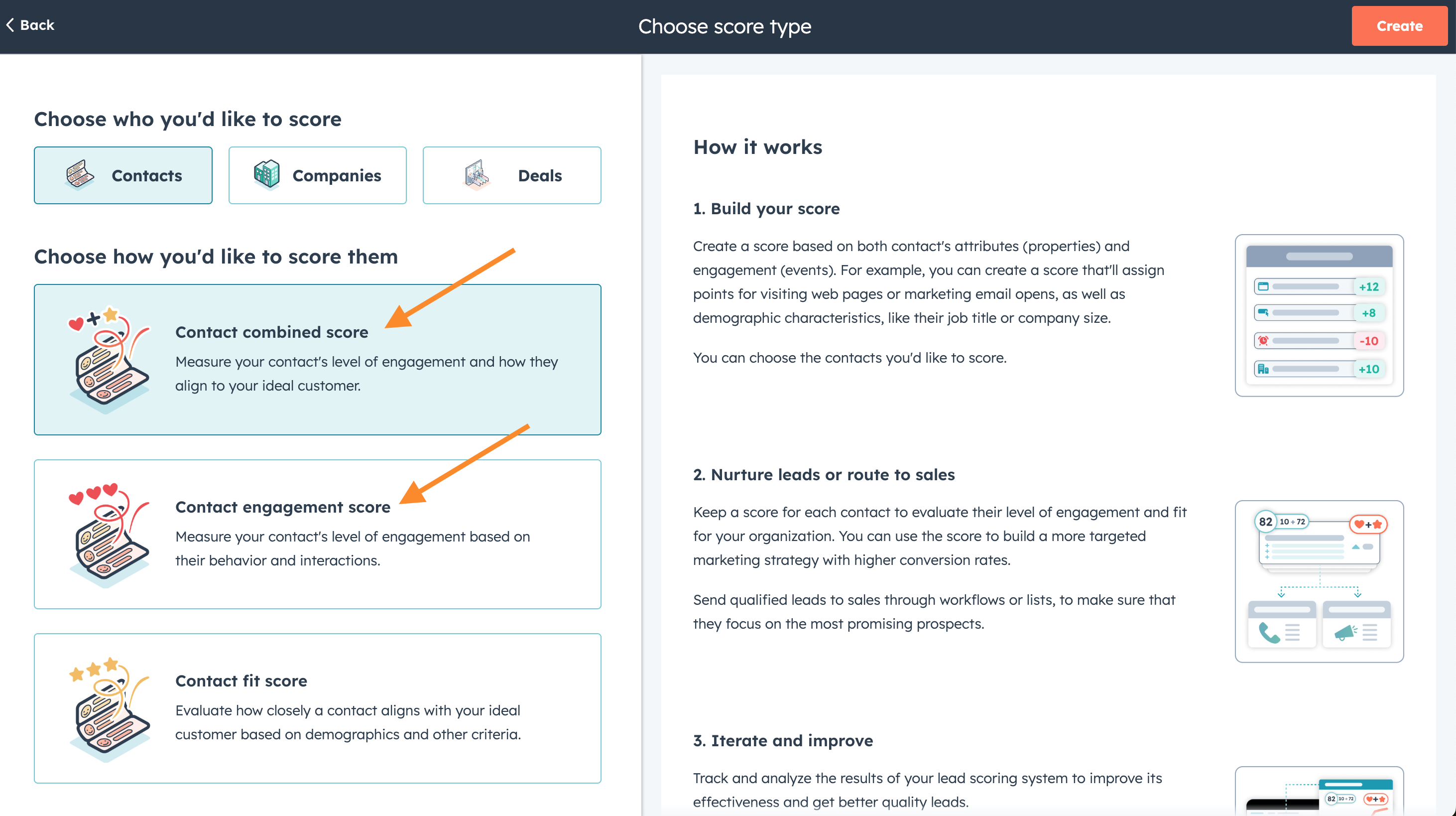 For each page, you can see:
- Specific pages (URL paths) that drive conversions
- Conversion rate based on companies that visited and converted
- Confidence level indicating the real strength of the impact
- Ranking of pages based on actual performance
This gives you immediate insight into which content genuinely correlates with progression through lifecycle stages.
Turning insights into scoring rules
The real value comes from what you can do with these insights.
You can now build scoring rules directly from high-impact pages, assigning different weights based on their proven conversion performance.
For example:
- Pages with high confidence and high conversion impact can add more points.
- Medium-impact pages can contribute moderately.
- Low-impact pages can be weighted lower — or ignored altogether.
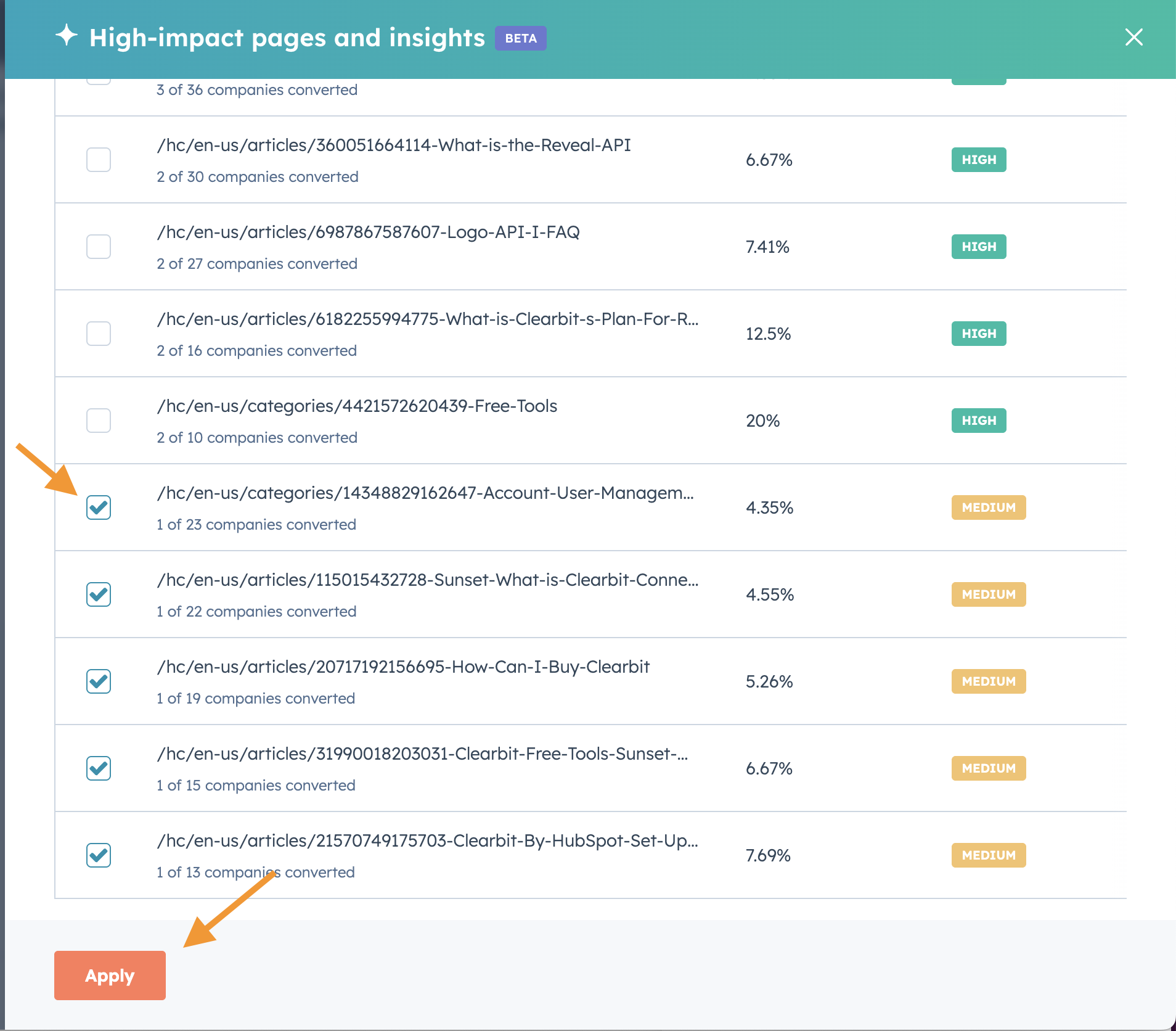
This allows you to fine-tune scoring models based on what works in your portal, not generic assumptions.
What is the change in practice
In day-to-day operations, this leads to:
- More accurate lead scoring
- Better prioritisation for sales teams
- Clearer signals of buying intent
- Less manual tweaking and guesswork
Sales teams benefit from better-qualified leads, while marketing teams gain a clearer picture of which content truly contributes to revenue, not just engagement.
That’s a much stronger foundation for building reliable lead scoring models.
Get in touch
Need help with HubSpot? Feel free to send us an email to hubspot@actuado.com.